
Embracing the Non-Religious Wedding Ceremony: A Personalized Path to "I Do"
When it comes to tying the knot, more couples are seeking ways to make their wedding ceremonies truly reflect their personal beliefs and values. For many, this means stepping away from traditional religious ceremonies and embracing a non-religious—or secular—wedding. But what exactly is a non-religious wedding ceremony, and why might it be the perfect fit for you? Let's explore this heartfelt alternative that's growing in popularity.
What Is a Non-Religious Wedding Ceremony?
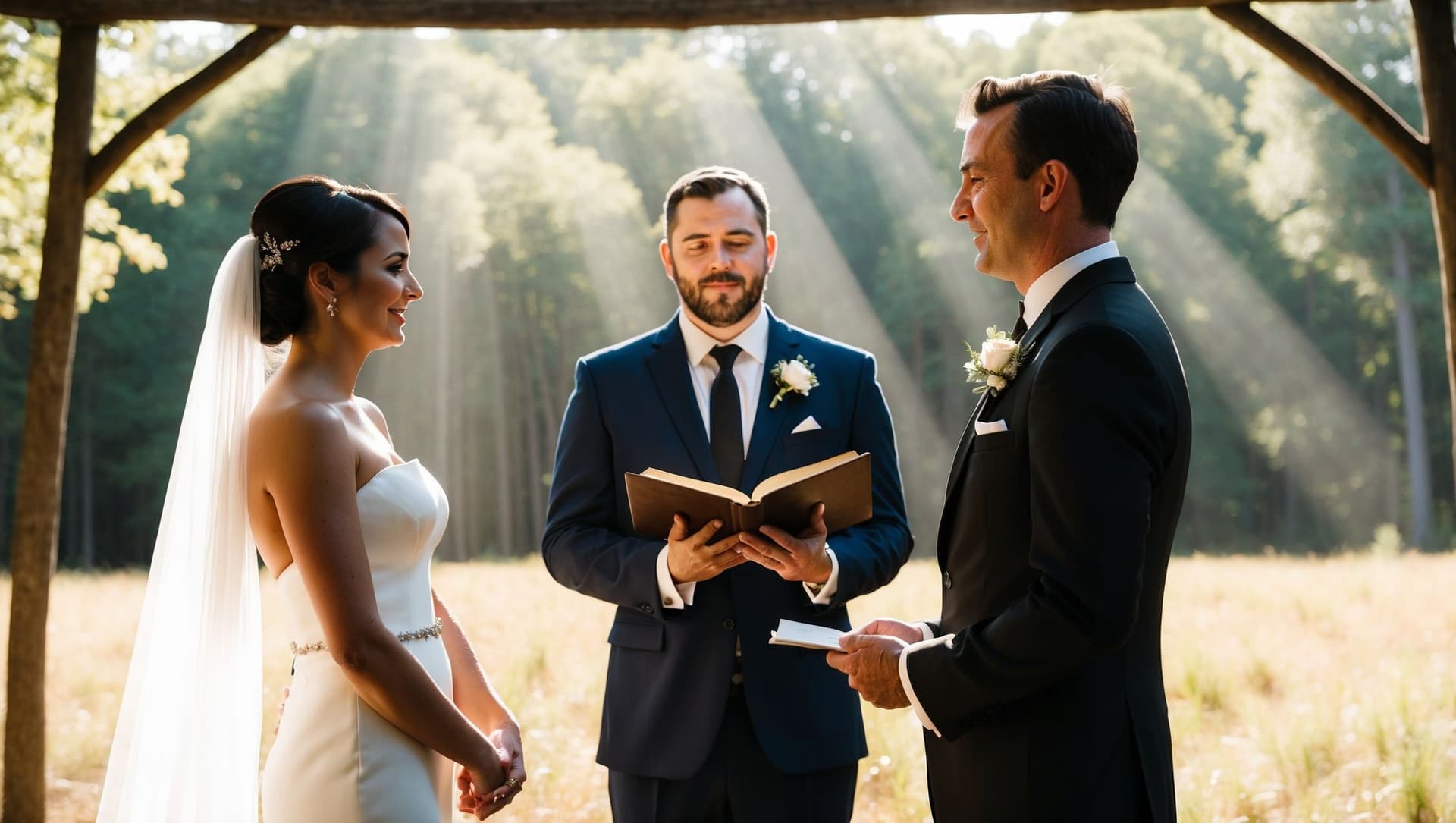
A non-religious wedding ceremony is a celebration of marriage without specific religious content or rituals. Instead of focusing on religious traditions, these ceremonies center around the couple's personal love story, commitments, and values. Officiated by a secular celebrant, such as a humanist minister, justice of the peace, or a trusted friend ordained for the occasion, the ceremony is highly customizable.
Key Features:
- Personalization: Crafting vows, readings, and rituals that hold special meaning to you.
- Inclusivity: Welcoming guests of all backgrounds without adhering to a specific faith.
- Flexibility: Choosing unique venues—from beaches and gardens to art galleries and historic sites.
- Legal Recognition: Ensuring the ceremony meets legal requirements without religious components.
Why Choose a Non-Religious Ceremony?
1. Authenticity
Your wedding should be a reflection of who you are as a couple. If neither of you identifies with a particular religion, a secular ceremony allows you to express your commitment authentically, without performing rituals that don't resonate with your beliefs.
2. Creative Freedom
Without the structure of traditional religious ceremonies, you have the freedom to design every aspect of your wedding. Want to include a unity sand ritual, plant a tree together, or have a close friend share a meaningful poem? The possibilities are endless.
3. Inclusivity for Diverse Families
In today's world, families often encompass a mix of religious beliefs and cultural backgrounds. A non-religious ceremony can create a welcoming environment where all guests feel included and respected.
4. Unique Venues
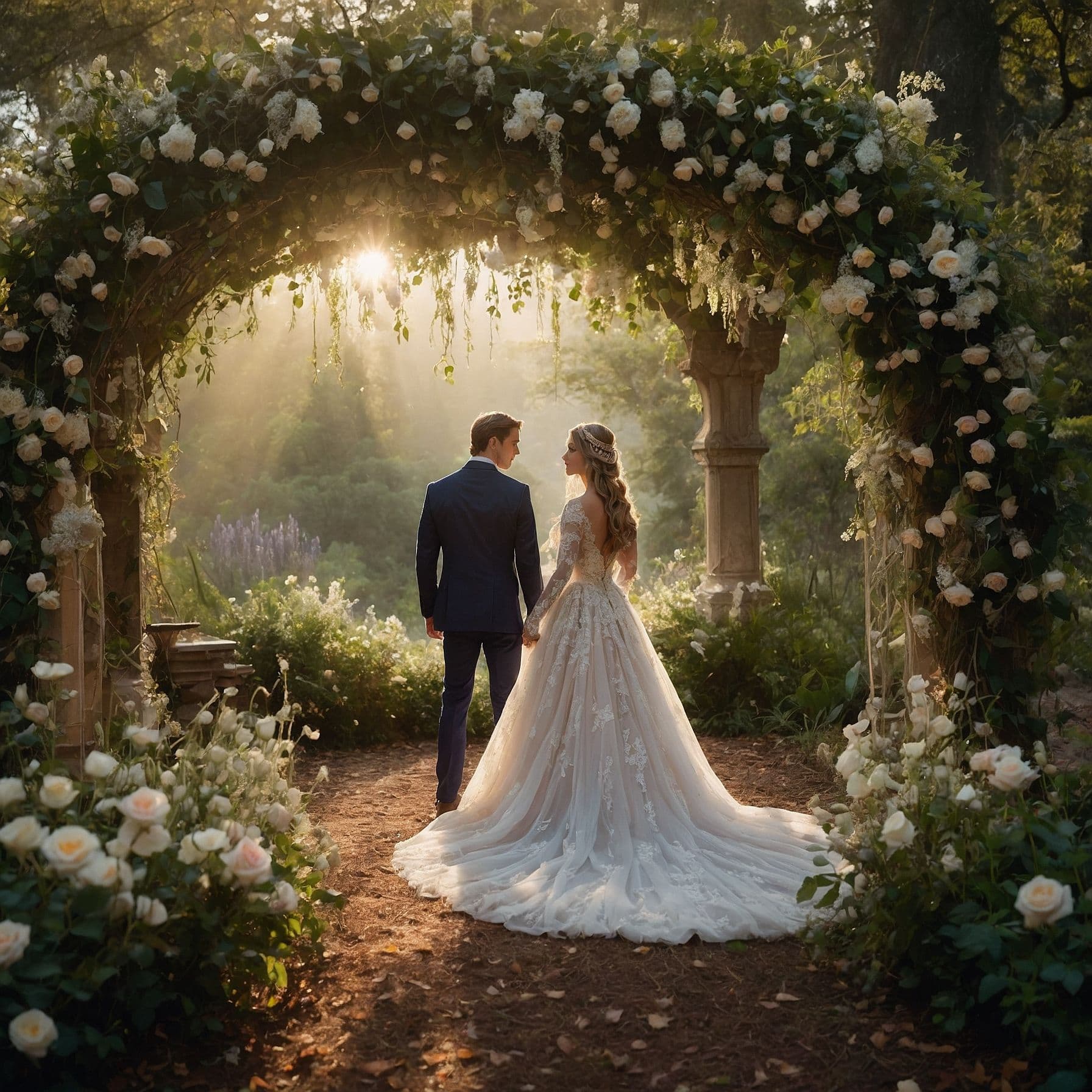
You're not limited to places of worship. Imagine exchanging vows under a canopy of trees, on a mountain peak, or even in your own backyard. Non-religious ceremonies can take place virtually anywhere.
5. Focus on Love and Commitment
By stripping away prescribed rituals, the ceremony becomes entirely about your love story and the promises you're making to each other. It's an intimate experience that can be deeply moving for everyone involved.
A Brief History of Non-Religious Ceremonies
Origins
The concept of secular marriage ceremonies isn't entirely new. Civil marriages—legal unions performed without religious affiliation—have existed in various forms throughout history. However, the modern non-religious wedding ceremony as we know it began gaining traction in the 20th century.
Humanist Movement
A significant influence came from the humanist movement, which emphasizes human values and concerns without reliance on the divine or supernatural. The first recorded humanist wedding took place in 1896 in London. However, it wasn't until the 1960s and 1970s, amid cultural shifts towards individualism and personal freedom, that non-religious ceremonies started to become more common.
Legal Recognition
Many countries began legally recognizing civil marriages to separate church and state matters. For instance, France mandated civil ceremonies as the legal marriage in the late 18th century. In the United States, civil ceremonies have been legally recognized since the country's founding, but the personalization and popularity of non-religious weddings have surged more recently.
Modern Day
Today, with increasing secularism and interfaith relationships, non-religious weddings are more accepted and accessible than ever. Organizations like the Humanist Society and various online platforms offer resources and officiants to help couples create meaningful secular ceremonies.
Crafting Your Non-Religious Ceremony
Choose the Right Officiant
Select someone who understands your vision—whether that's a professional secular celebrant or a friend ordained for the day. Their role is crucial in setting the tone and guiding the flow of the ceremony.
Personalize Your Vows
Writing your own vows adds depth and sincerity. Share your hopes, promises, and what your partner means to you in your own words.
Incorporate Meaningful Elements
- Readings: Choose poems, quotes, or passages that resonate with you.
- Music: Select songs that hold special significance.
- Rituals: Include symbolic actions like lighting a unity candle or creating a time capsule.
Involve Loved Ones
Invite family and friends to participate by giving readings, playing music, or sharing blessings. This inclusion can make the ceremony even more heartfelt.
Final Thoughts
A non-religious wedding ceremony offers the opportunity to celebrate your love in a way that's true to you. It's about honoring your journey together and creating a memorable experience that reflects your values and personalities.
Remember, there's no right or wrong way to declare your commitment. Whether you're stepping away from tradition or forging a new path, what matters most is that your wedding day feels authentic and joyous.
For more inspiration and resources to plan your perfect ceremony, visit wedding.one, your one-stop destination for venues, vendors, and planners who understand your unique vision.
Here's to celebrating love—your way!