
How to Choose the Perfect Wedding Menu: Catering to Your Own and All Your Guests' Needs
Create a memorable dining experience by selecting dishes that reflect your tastes while delighting every guest and accommodating their dietary needs.
Your wedding menu is more than just a list of dishes—it's an expression of you and your partner's personalities, cultures, and shared tastes. It's also a key element that can elevate your celebration, leaving a lasting impression on your guests. Crafting the perfect menu involves balancing your culinary preferences with the diverse needs and expectations of your attendees. This comprehensive guide will help you navigate the process of designing a wedding menu that caters to both your desires and those of your guests, ensuring a delightful and inclusive dining experience on your special day.
1. Define Your Culinary Vision as a Couple
Why It's Important:
Your wedding is a reflection of your unique story and tastes. Incorporating your favorite foods or cultural dishes adds a personal touch that makes the event truly yours.
Tips:
- List Your Favorite Dishes: Start by noting down meals you both love, whether they're comfort foods, gourmet delights, or family recipes.
- Consider Your Heritage: Incorporate traditional dishes that celebrate your cultural backgrounds.
- Think About Your Food Experiences Together: Include items from memorable dates, travels, or significant moments in your relationship.
- Align with Your Wedding Theme: If you have a theme (e.g., rustic, modern, bohemian), choose menu items that complement it.
2. Understand Your Guests' Dietary Requirements
Why It's Important:
Accommodating dietary restrictions and allergies shows thoughtfulness and ensures all guests can enjoy the meal safely.
Tips:
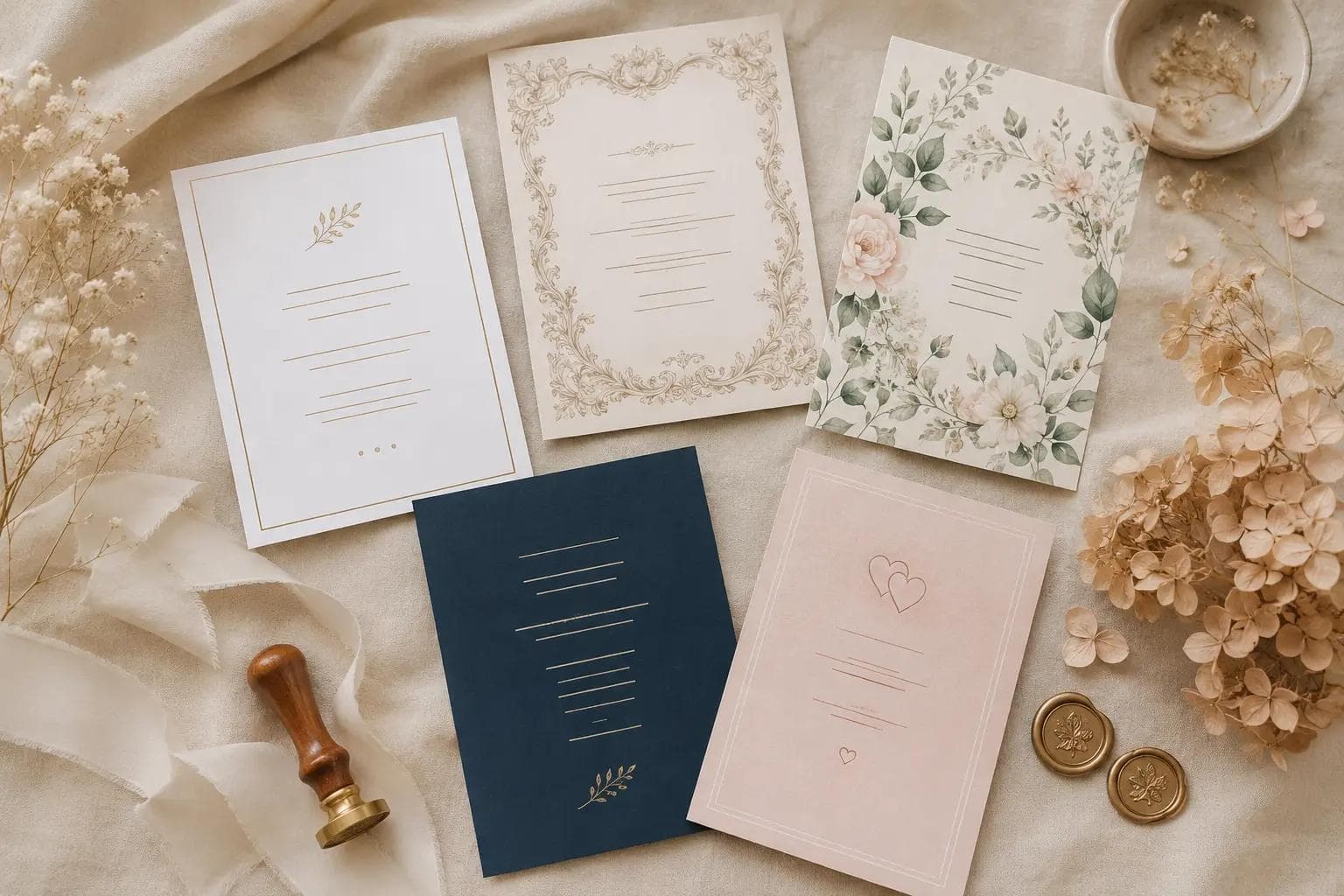
- Collect Dietary Information Early: Include a section on your RSVP cards or wedding website for guests to specify dietary needs.
- Common Dietary Restrictions:
- Allergies: Nuts, shellfish, gluten, dairy, etc.
- Dietary Choices: Vegetarian, vegan, pescatarian.
- Religious Requirements: Kosher, Halal.
- Health-Related Diets: Diabetic-friendly, low-sodium.
- Privacy and Sensitivity: Handle this information discreetly and communicate it only to those who need to know, such as your caterer.
3. Collaborate Closely with Your Caterer
Why It's Important:
An experienced caterer can help you blend your preferences with your guests' needs, creating a harmonious and delicious menu.
Tips:
- Share Your Vision: Clearly communicate your favorite dishes and the overall vibe you want to achieve.
- Menu Customization: Work together to modify recipes or create fusion dishes that reflect your tastes while accommodating dietary restrictions.
- Ask for Expertise: Leverage their knowledge for ingredient substitutions and creative solutions.
- Tasting Sessions: Schedule tastings to experience the dishes firsthand and make informed decisions.
Explore top caterers on wedding.one who specialize in personalized menus and accommodating various dietary needs.
4. Offer a Variety of Options
Why It's Important:
Providing choices ensures that all guests find something they enjoy and can eat safely, without compromising on your own preferences.
Tips:
- Multiple Entrées: Include your favorite dish as an option alongside others that cater to different dietary needs.
- Appetizers and Sides: Offer a range of dishes with different ingredients and flavors that you love.
- Dessert Alternatives: Have your favorite dessert and include options for guests with dietary restrictions.
- Buffet or Stations: Consider these serving styles to naturally incorporate variety while highlighting your preferred cuisines.
5. Emphasize Clear Labeling
Why It's Important:
Proper labeling prevents confusion and potential allergic reactions, ensuring everyone can enjoy the food with peace of mind.
Tips:
- Menu Cards: List ingredients or note common allergens next to each dish, including your signature selections.
- Signage at Stations: Use clear signs indicating gluten-free, vegan, nut-free, etc.
- Inform Serving Staff: Ensure they are knowledgeable about the dishes and can answer guest questions.
6. Choose Seasonal and Local Ingredients
Why It's Important:
Seasonal and locally sourced ingredients often taste better and can be more cost-effective, enhancing your favorite dishes.
Tips:
- Enhance Your Preferred Flavors: Fresh, local produce can elevate the taste of dishes you love.
- Support Local Farmers: This choice benefits the community and can reduce environmental impact.
- Menu Inspiration: Let the season inspire variations of your favorite meals.
7. Balance Flavors and Textures
Why It's Important:
A well-balanced menu keeps guests engaged and satisfied, while showcasing your culinary tastes.
Tips:
- Highlight Your Favorite Flavors: If you love spicy food, include a signature dish with a kick, but balance it with milder options.
- Textural Contrast: Combine crispy, creamy, and crunchy elements in both your selections and the alternative dishes.
- Cultural Diversity: If you and your partner come from different backgrounds, feature dishes from both cultures.
8. Consider Presentation and Aesthetics
Why It's Important:
Visually appealing dishes enhance the dining experience and complement your wedding's ambiance, reflecting your style.
Tips:
- Personal Touches: Incorporate elements that represent you, such as serving a favorite dish in a family heirloom dishware.
- Colorful Plates: Use vibrant ingredients to add visual interest to your chosen dishes.
- Themed Decor: Align the food presentation with your wedding theme or color scheme.
9. Plan for Kids and Special Guests
Why It's Important:
Ensuring all guests, including children and those with specific needs, have suitable options contributes to a harmonious event.
Tips:
- Kids' Menu: Offer child-friendly versions of your favorite dishes or universally loved options.
- Elderly Guests: Consider softer foods or milder flavors for older attendees, perhaps adapting your favorites to suit them.
- Family-Style Options: This can encourage sharing and allow guests to sample your favorite dishes.
10. Don't Forget About Beverages
Why It's Important:
Complementary drinks enhance the meal and cater to guests' preferences, while showcasing your favorite beverages.
Tips:
- Signature Drinks: Create a cocktail or mocktail that reflects your tastes or has personal significance.
- Non-Alcoholic Choices: Provide a variety of soft drinks, teas, or specialty coffees that you enjoy.
- Wine and Beer Selection: Choose options that pair well with your menu and include your preferred labels.
11. Manage Portion Sizes and Quantities
Why It's Important:
Appropriate portion sizes prevent waste and ensure all guests are satisfied, allowing everyone to enjoy the dishes you've carefully selected.
Tips:
- Consult Your Caterer: They can advise on quantities based on guest count and serving style.
- Course Planning: Decide on the number of courses to balance quantity and dining time, including your must-have dishes.
- Leftover Plan: Arrange for leftovers to be donated or packed safely if allowed, perhaps sharing your favorite foods with others.
12. Test the Full Dining Experience
Why It's Important:
Experiencing the meal as your guests will helps you ensure that your favorite dishes are prepared to perfection and that alternatives meet guests' needs.
Tips:
- Full Menu Tasting: Sample all courses in one sitting to assess how your favorites fit within the overall meal.
- Simulate Serving Conditions: Taste dishes at the temperature they will be served.
- Feedback Loop: Provide detailed feedback to your caterer for final tweaks, ensuring your preferences are met.
13. Communicate Clearly with Guests
Why It's Important:
Keeping guests informed enhances their comfort and enjoyment, and allows you to share your excitement about the menu you've chosen.
Tips:
- Menu Preview: Share the menu on your wedding website or program, highlighting any signature dishes or personal favorites.
- Encourage Questions: Let guests know they can reach out with concerns.
- Express Enthusiasm: Show that you're excited to share these dishes with them, enhancing the personal connection.
Final Thoughts
Selecting the perfect wedding menu is a harmonious blend of showcasing your tastes as a couple and thoughtfully considering your guests' needs. By integrating your favorite dishes with options that accommodate dietary restrictions and preferences, you create an inclusive and enjoyable atmosphere that reflects your love and hospitality.
At wedding.one, we're here to assist you in every aspect of your wedding planning journey. From connecting you with exceptional caterers who can bring your culinary vision to life, to offering expert advice, our platform is designed to make your experience seamless and enjoyable.
Ready to start planning a wedding menu that reflects your tastes and delights every guest? Visit wedding.one today and find the perfect caterer to make your dream menu a reality.